Fish Antibiotics
Fish antibiotics for ornamental aquarium fish, listed under the names you know: Fish Mox, Fish Flex, Fish Doxy and more. Use the ingredient name to identify the listing. Then compare the form, strength and number of tablets or capsules. Looking for a product listed for pet birds? Visit the Bird Antibiotics collection.
-
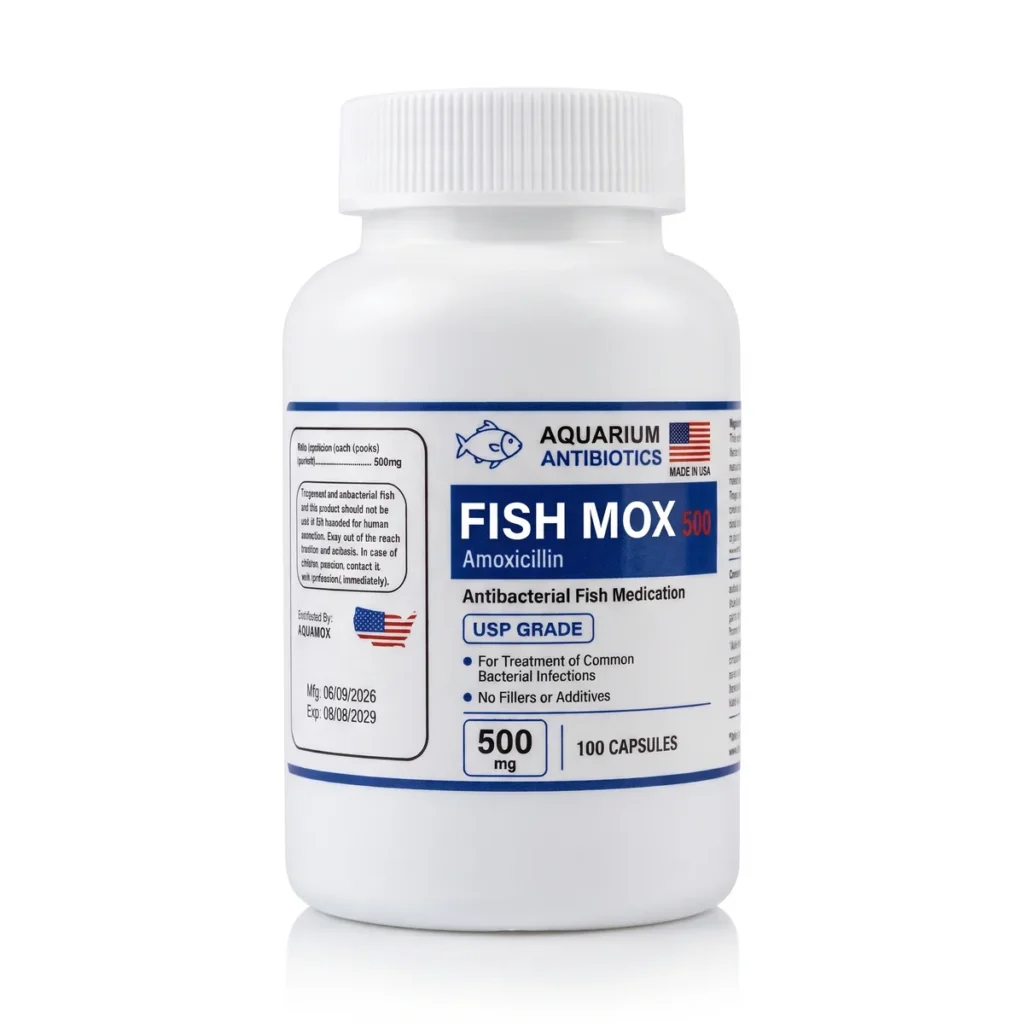
Fish Amoxicillin 250mg & 500mg Capsules (Fish Mox)
Price range: $25.99 through $39.99 -
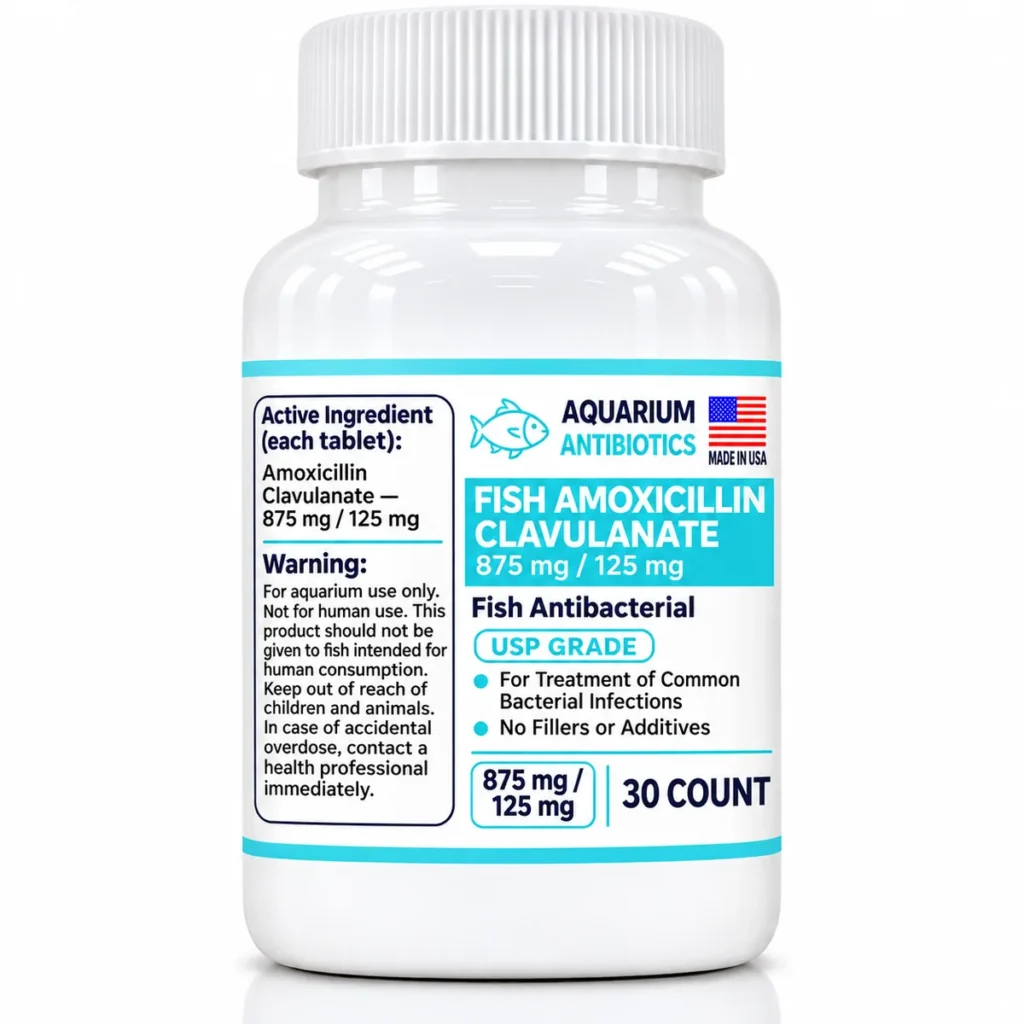
Fish Amoxicillin Clavulanate 875mg/125mg – 30 Tablets
$79.99 -
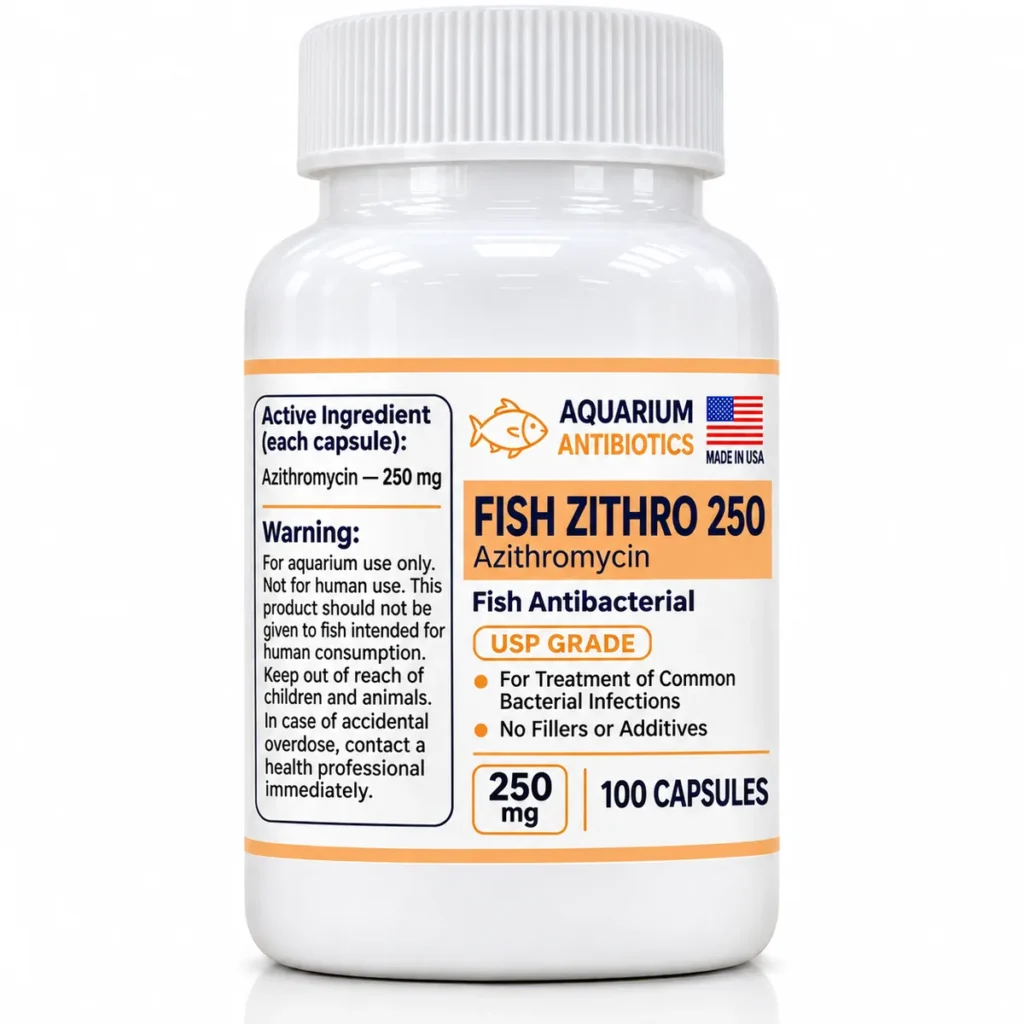
Fish Azithromycin 250mg Tablets & Capsules (Fish Zithro)
Price range: $75.90 through $89.99 -
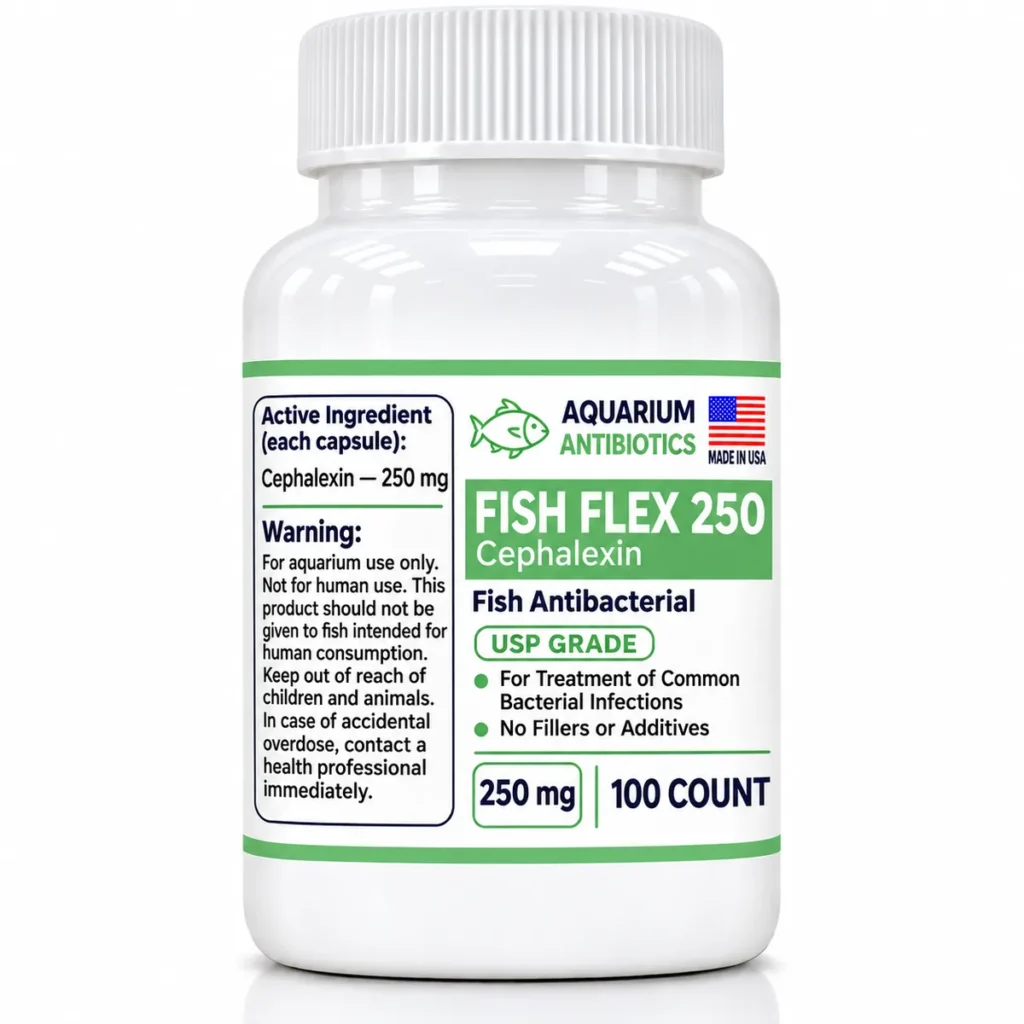
Fish Cephalexin 250mg & 500mg Capsules (Fish Flex)
Price range: $34.99 through $49.99 -
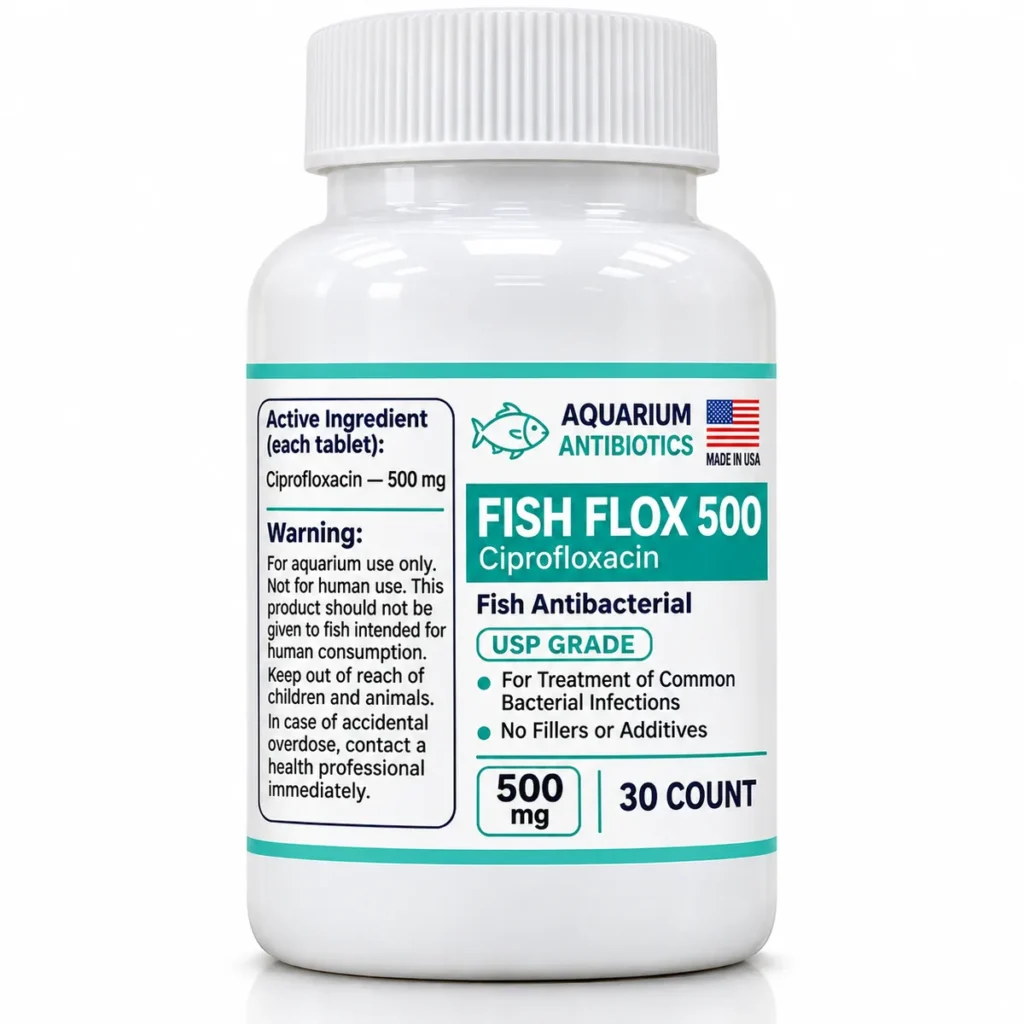
Fish Ciprofloxacin 500mg Tablets (Fish Flox)
Price range: $45.50 through $84.99 -
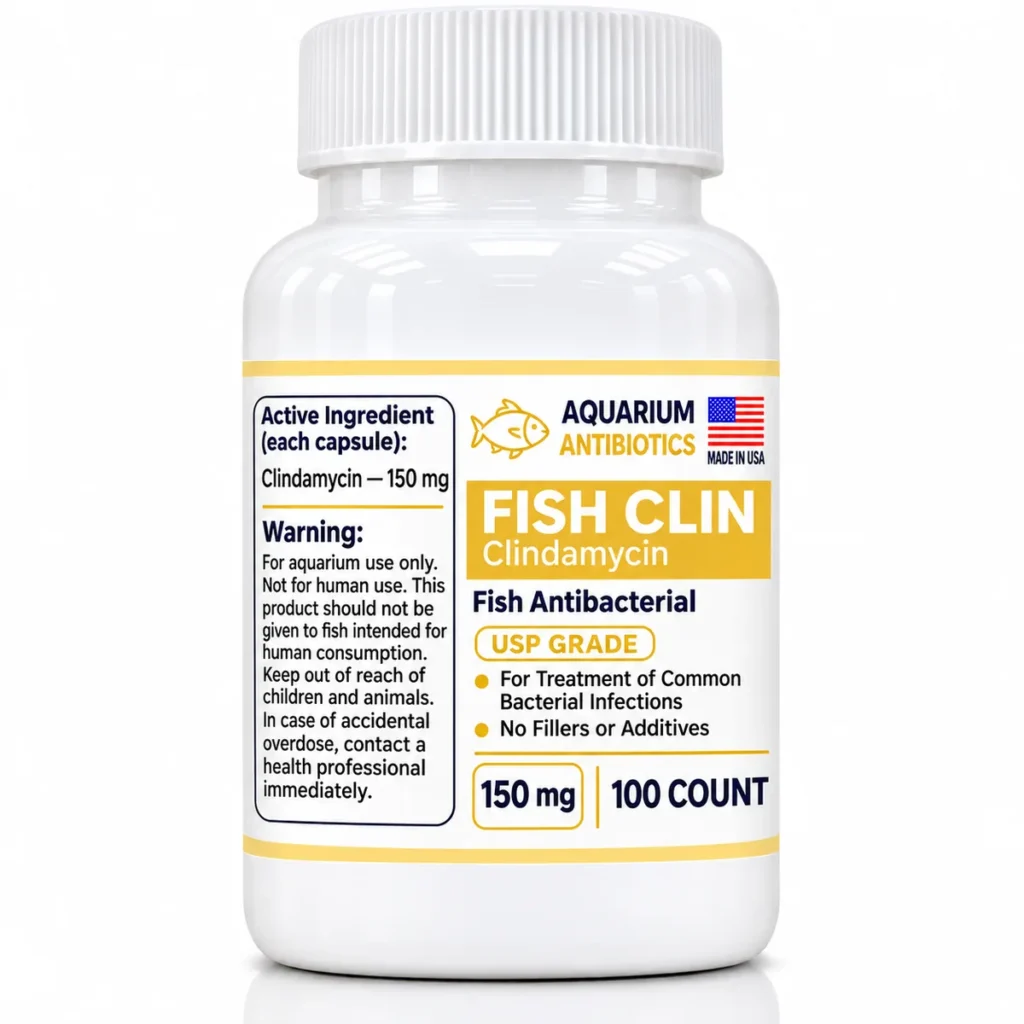
Fish Clindamycin 150mg – 100 Capsules (Fish Clin)
$59.99 -
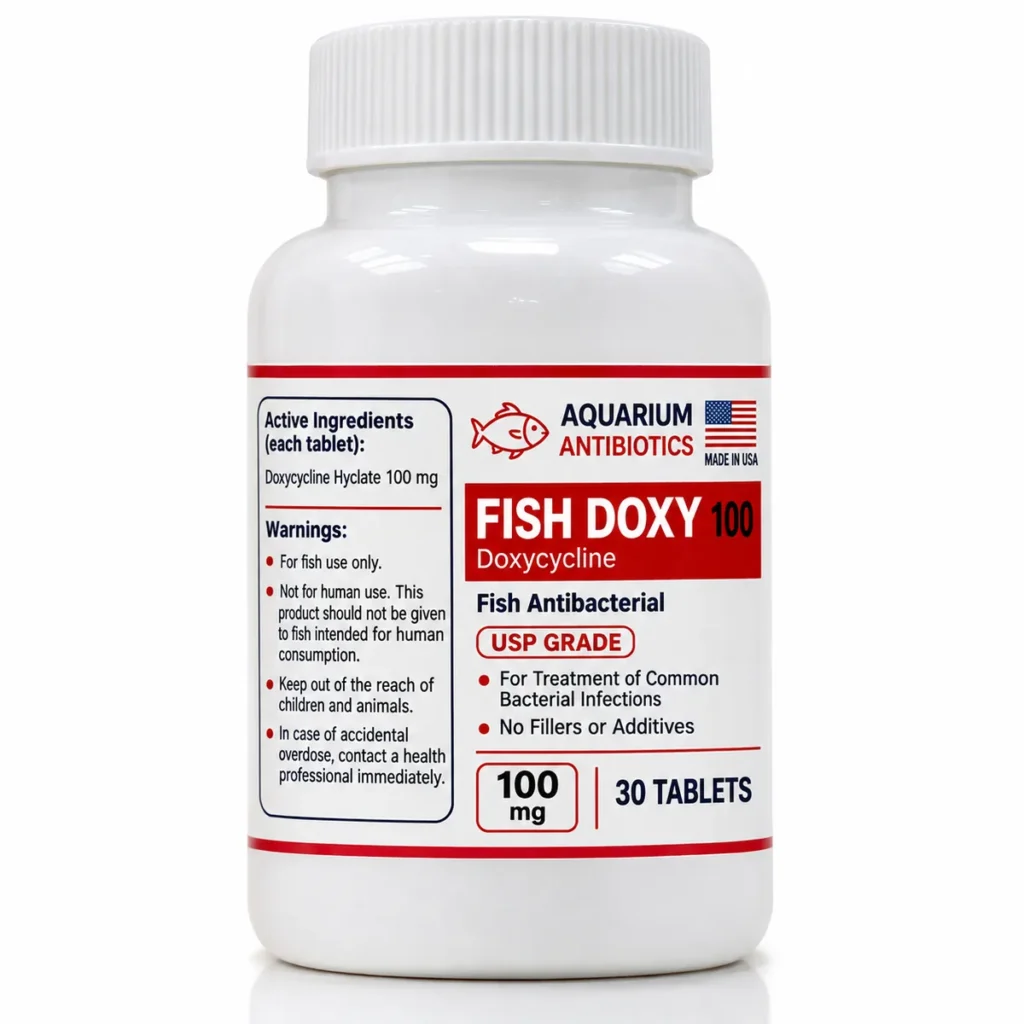
Fish Doxycycline 100mg Tablets & Capsules (Fish Doxy)
Price range: $44.99 through $86.99 -
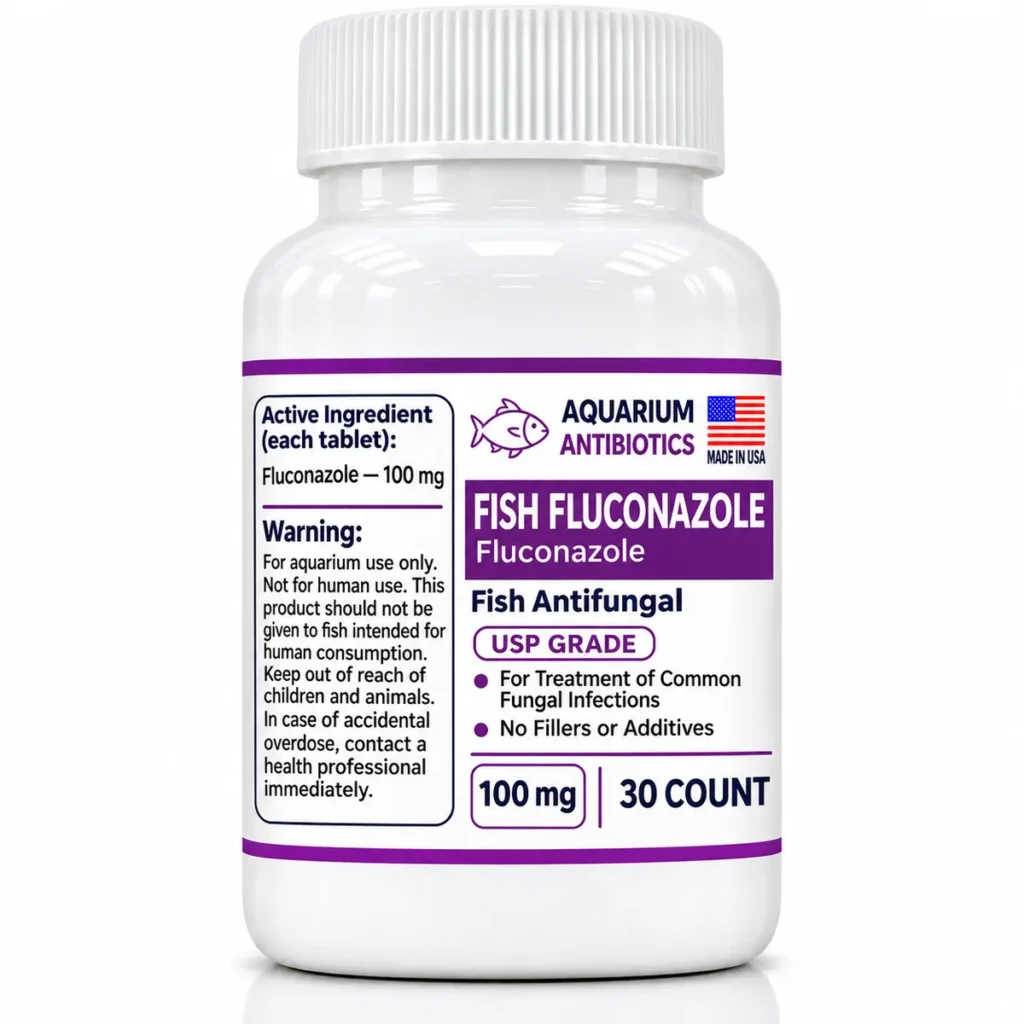
Fish Fluconazole 100mg – 30 Tablets
$89.99 -
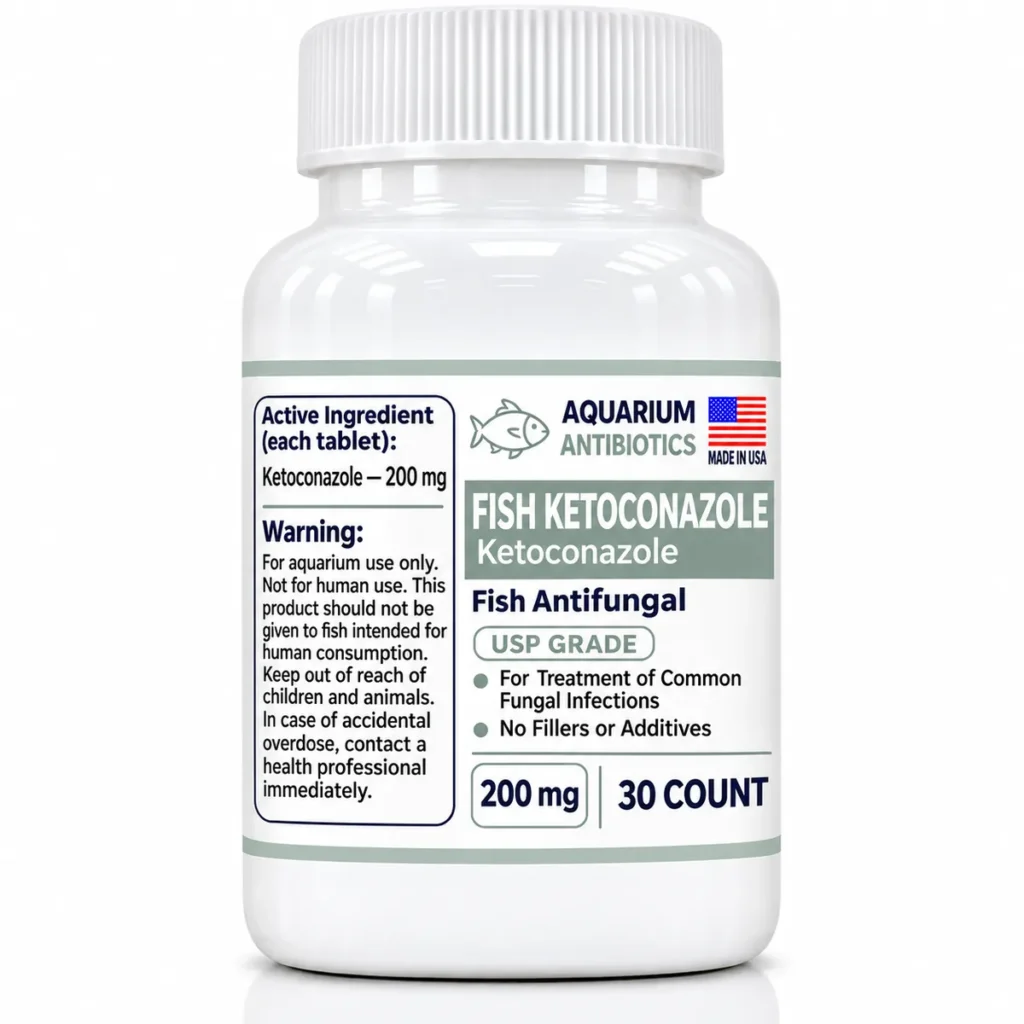
Fish Ketoconazole 200mg – 30 Tablets
$98.99 -
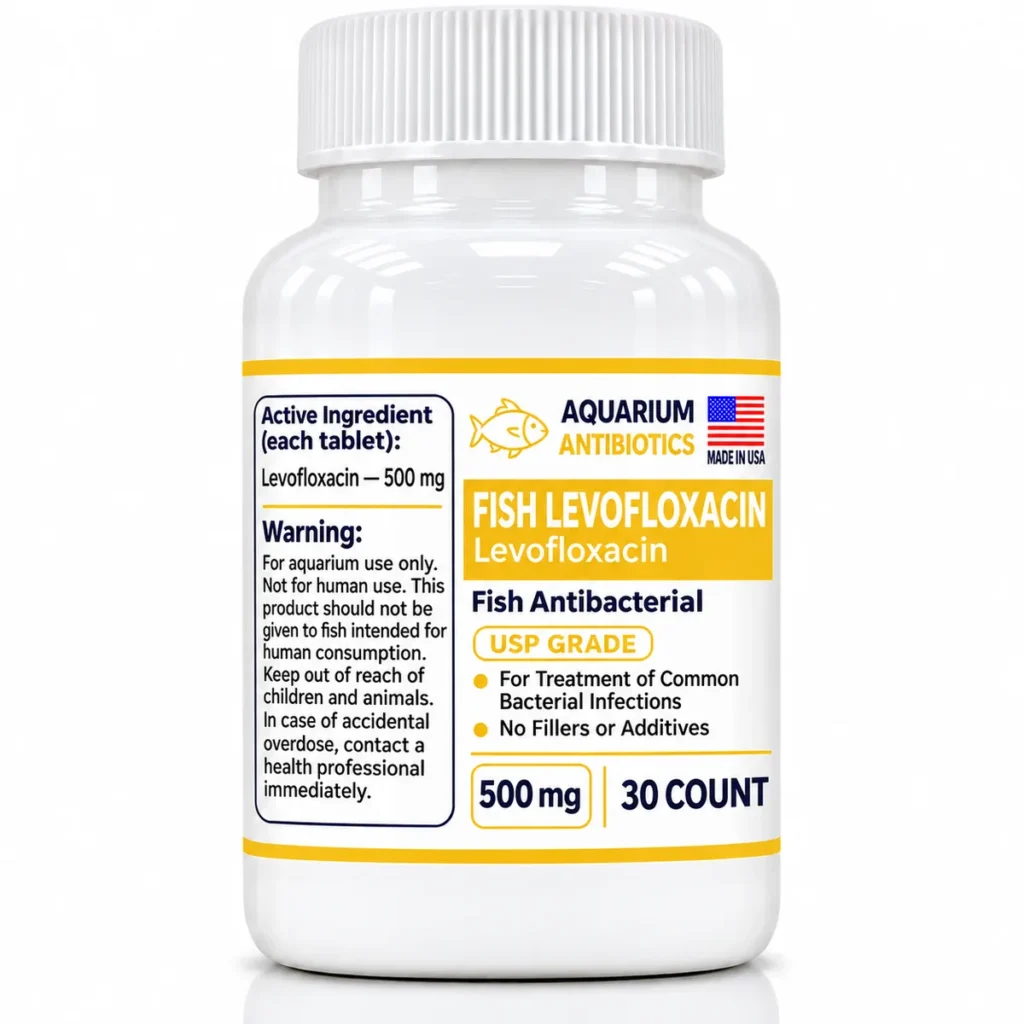
Fish Levofloxacin 500mg – 30 Tablets
$39.99 -
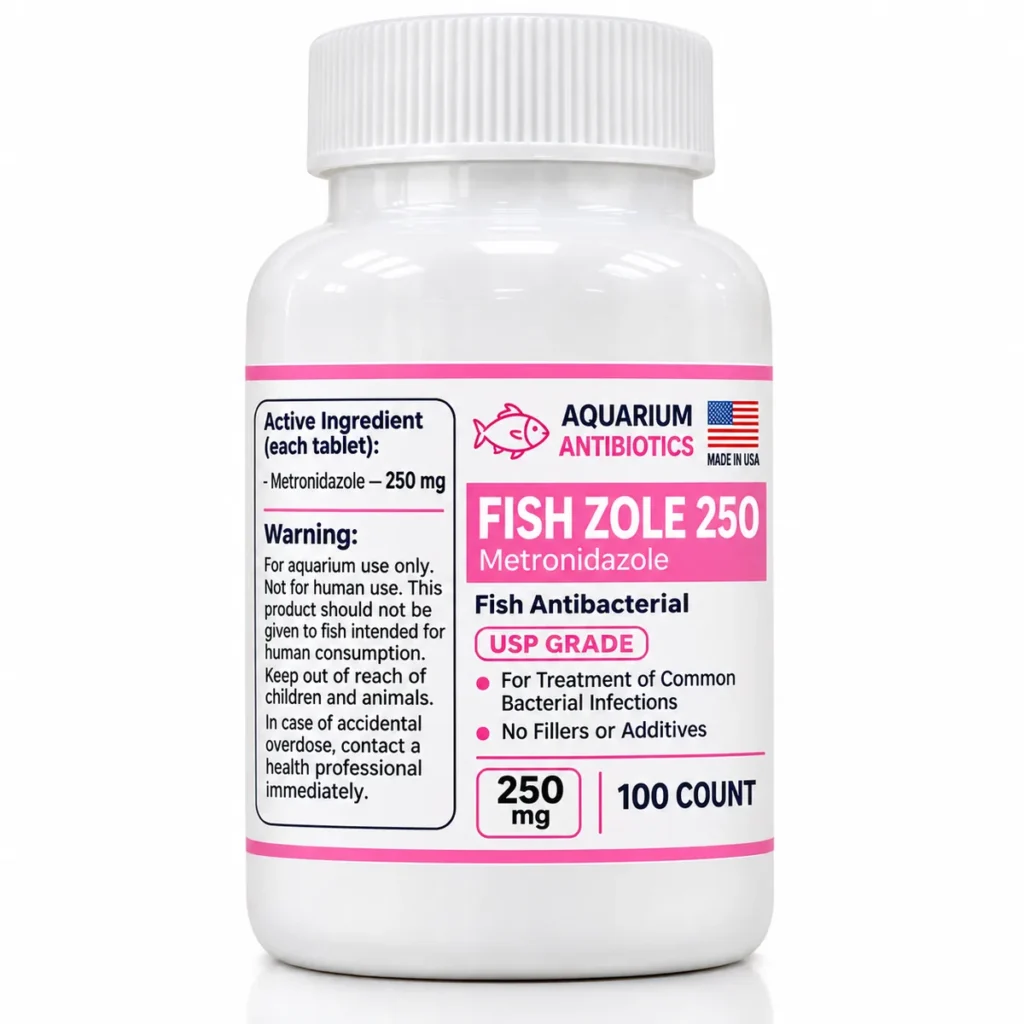
Fish Metronidazole 250mg & 500mg Tablets (Fish Zole)
Price range: $41.99 through $59.99 -
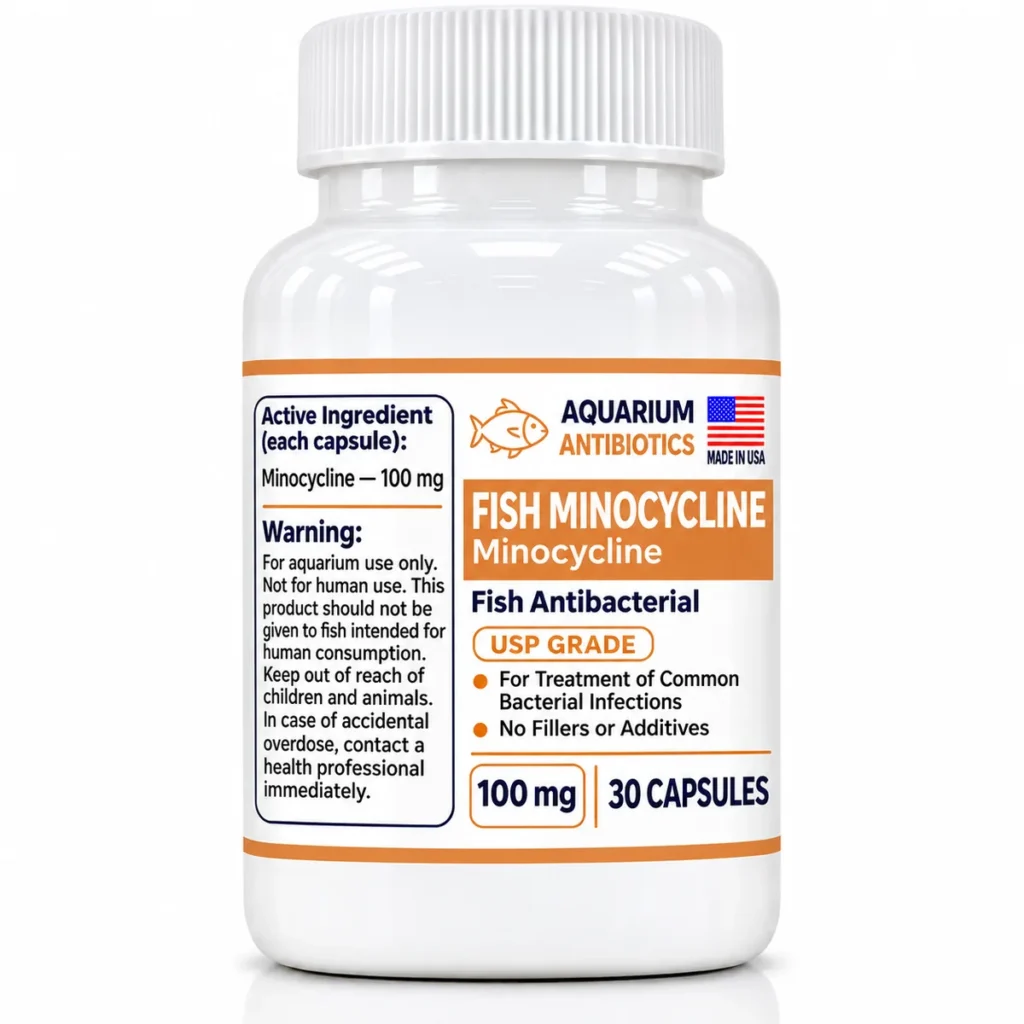
Fish Minocycline 100mg – 30 Capsules
$69.99 -
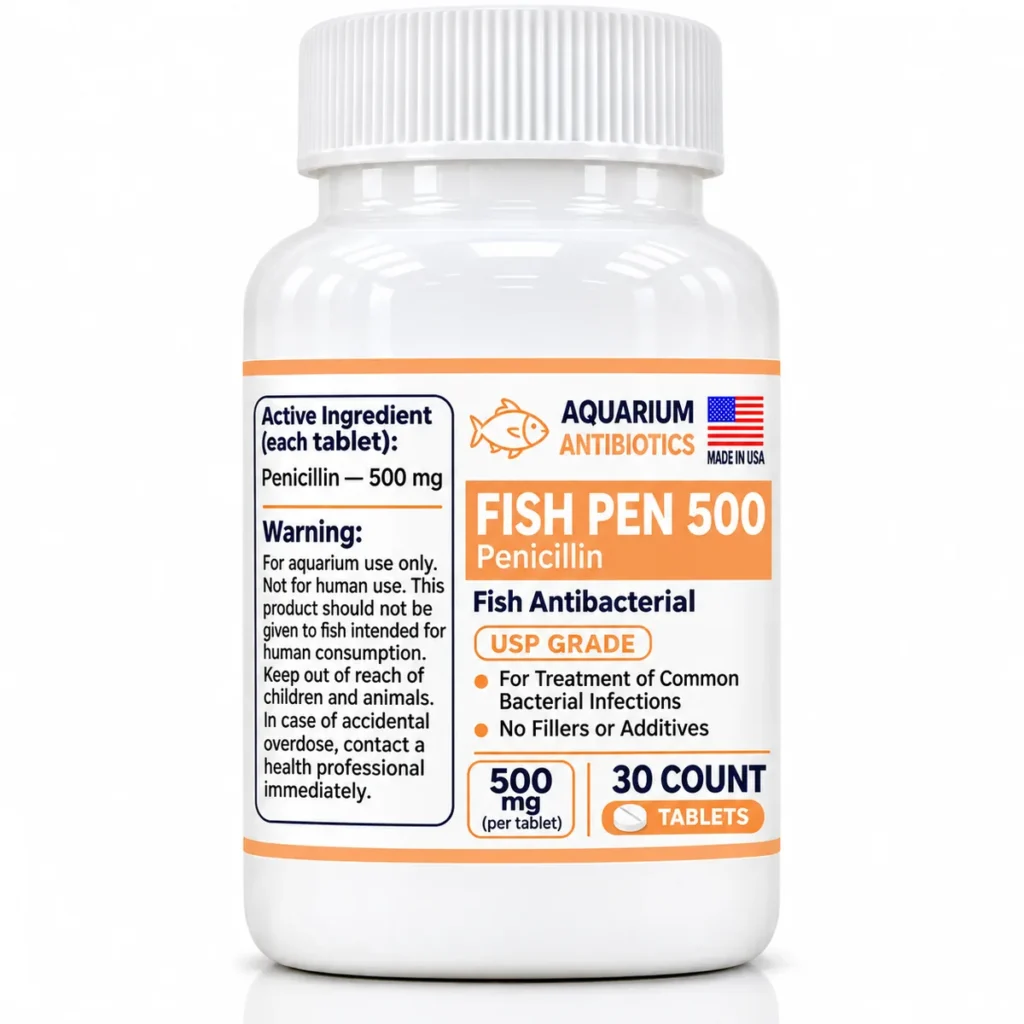
Fish Penicillin 500mg (Fish Pen)
Price range: $35.30 through $69.99 -
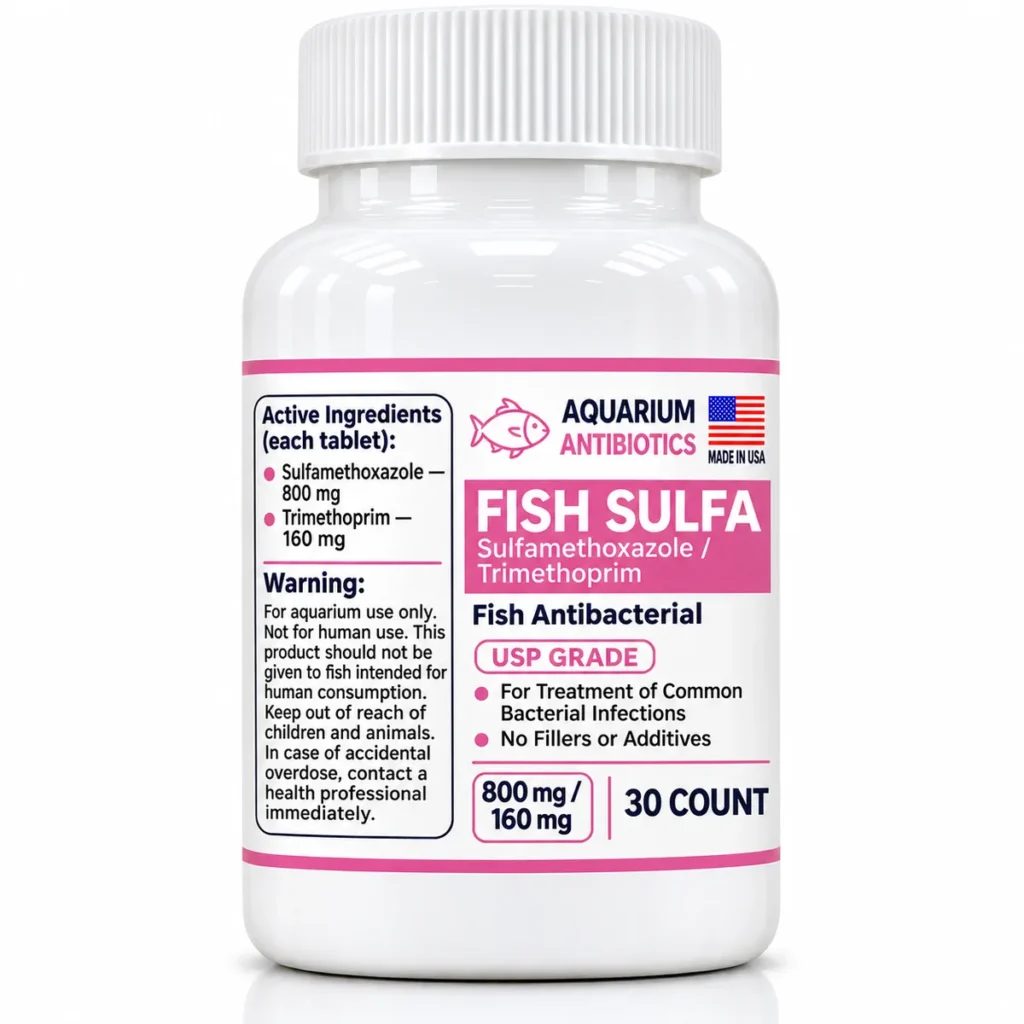
Fish Sulfamethoxazole & Trimethoprim 800/160mg Tablets (Fish Sulfa)
Price range: $30.80 through $55.99
Fish antibiotics compared
Every listing in this collection, side by side. Strengths and counts match the listings; the label on the bottle is the final word.
| Listing | Active ingredient | Drug class | Form | Strengths and counts |
|---|---|---|---|---|
| Fish Mox | Amoxicillin | Penicillin-type | Capsules | 250 mg or 500 mg; 30 or 100 count |
| Fish Mox Clavulanate | Amoxicillin + clavulanate | Penicillin-type with a beta-lactamase inhibitor | Tablets | 875 mg/125 mg; 30 count |
| Fish Pen | Penicillin | Penicillin | Tablets (30 count); see label (60 count) | 500 mg; 30 or 60 count |
| Fish Flex | Cephalexin | Cephalosporin | Capsules | 250 mg or 500 mg; 100 count |
| Fish Doxy | Doxycycline | Tetracycline | Tablets or capsules | 100 mg; tablets: 30, 60 or 100 count; capsules: 100 count |
| Fish Minocycline | Minocycline | Tetracycline | Capsules | 100 mg; 30 count |
| Fish Flox | Ciprofloxacin | Fluoroquinolone | Tablets | 500 mg; 30 or 60 count |
| Fish Levofloxacin | Levofloxacin | Fluoroquinolone | Tablets | 500 mg; 30 count |
| Fish Zithro | Azithromycin | Macrolide | Tablets or capsules | 250 mg; 30 tablets or 100 capsules |
| Fish Zole | Metronidazole | Nitroimidazole | Tablets | 250 mg or 500 mg; 100 count |
| Fish Sulfa | Sulfamethoxazole + trimethoprim | Sulfonamide combination | Tablets | 800 mg/160 mg; 30 or 60 count |
| Fish Clin | Clindamycin | Lincosamide | Capsules | 150 mg; 100 count |
| Fish Fluconazole | Fluconazole | Azole antifungal | Tablets | 100 mg; 30 count |
| Fish Ketoconazole | Ketoconazole | Azole antifungal | Tablets | 200 mg; 30 count |
Find a familiar name by ingredient
If you have a package in hand, start with the ingredient printed on its label. Most fish antibiotics are sold under short brand names, and some also appear with a “Fix” spelling, such as Fix Mox or Fix Flex.
- Fish amoxicillin is sold as Fish Mox.
- Fish cephalexin is sold as Fish Flex.
- Fish doxycycline is sold as Fish Doxy.
- Fish ciprofloxacin is sold as Fish Flox.
- Fish penicillin is sold as Fish Pen.
- Fish metronidazole is sold as Fish Zole.
- Fish azithromycin is sold as Fish Zithro, also called Bird Zithro.
- Fish sulfamethoxazole and trimethoprim is sold as Fish Sulfa.
- Fish clindamycin is sold as Fish Clin.
Fish Mox Clavulanate has a separate listing, so check the full ingredient line when two product names look similar.
Read the strength and package count separately
On a listing marked “500 mg · 30 tablets,” the 500 mg figure describes the stated strength per tablet, while 30 tells you how many tablets the package contains. A larger count at the same strength means more units in the bottle. Neither number tells you what an individual fish needs. If you are asking about treatment, share the exact label and your fish’s species with an aquatic veterinarian.
Antibiotics treat bacteria, not every sick fish
Fish antibiotics act only on bacterial infections. Parasites such as ich, true fungus and poor water can cause similar signs, and an antibiotic will not fix them. Test the water before you reach for any medicine.
- Often bacterial: ragged or receding fins, red sores or ulcers, and grey-white patches on the back or mouth.
- Usually not bacterial: white spots like grains of salt (ich, a parasite), or gasping and clamped fins when ammonia or nitrite is above zero.
- Ask an aquatic veterinarian when several fish are sick, a fish stops eating, or signs keep spreading after the water is right.
The Merck Veterinary Manual notes that most bacterial pathogens of fish are gram-negative, and that outbreaks are often linked to poor water quality, handling or sudden temperature changes (Bacterial Diseases of Fish). Our guides to fin rot, columnaris and ich vs bacterial infection show how to tell the signs apart.
Before you treat: hospital tank and filter
- Move the sick fish to a hospital tank, so the medicine stays away from your main tank’s filter, plants and invertebrates.
- Take activated carbon out of the filter. Carbon removes many medicines from the water.
- Keep shrimp, snails and other invertebrates out of the treatment tank.
- Follow the dose, schedule and water-change directions on the label, and finish the full course.
Doses differ from one product to the next, so this page gives no dose numbers. The Merck Veterinary Manual warns that medicines added to the water tend to harm the filter’s nitrifying bacteria, so test ammonia and nitrite daily while you treat (Management of Aquarium Fish).
Which listings are antifungals?
Fluconazole and ketoconazole are antifungal medicines. They appear alongside the antibacterial listings in this collection, so check the ingredient when comparing products across the grid. For a sick aquarium fish or pet bird, ask an aquatic or avian veterinarian whether medication is appropriate for that animal. A fish listing alone cannot establish suitability for birds.
Fish antibiotics are for fish only
Every listing here is labeled and sold for ornamental aquarium fish. None is for people, other pets or fish raised for food.
The U.S. Food and Drug Administration explains that the antibiotics sold in pet stores or online for ornamental fish haven’t been approved, conditionally approved or indexed by the FDA. It also warns that animal drugs should not be used to treat people, and advises talking to a veterinarian when your animals are unwell (Ornamental Fish Drugs and You). If you feel unwell yourself, see a doctor.
Buying questions
What’s the difference between Fish Mox and Fish Mox Clavulanate?
Both contain amoxicillin. Fish Mox Clavulanate adds clavulanate, which protects amoxicillin from beta-lactamase, an enzyme some bacteria use to resist it. It comes as 875 mg/125 mg tablets. Fish Mox comes as 250 mg or 500 mg capsules.
Are fish antibiotics the same as human antibiotics?
No. These products are labeled and sold only for ornamental aquarium fish. The FDA says animal drugs should not be used to treat people, so never take them yourself or give them to another animal. If you are unwell, see a doctor.
Which fish antibiotic should I choose?
Start with the problem, not the product. Test the water, rule out parasites and fungus, then compare each label with the signs you see. Our guide How to choose an aquarium antibiotic walks through it, and an aquatic veterinarian can confirm the diagnosis.
Can I use these for pet birds?
Products listed for birds are in the separate Bird Antibiotics collection. Ask an avian veterinarian before giving any medicine to a bird.
How much is shipping?
Economy shipping is $6.79, and free on orders of $60 or more. Express ($9.80) and Priority ($19.99) are available at checkout. We ship to US addresses only; see our shipping policy for delivery times.
Fish care guides
- How to choose an aquarium antibiotic
- Using fish antibiotics safely
- How to set up a hospital tank
- How to quarantine new fish
- Fin rot in aquarium fish
- Columnaris in aquarium fish
- Dropsy in aquarium fish
- Ich vs bacterial infection
Sources: Merck Veterinary Manual, Bacterial Diseases of Fish and Management of Aquarium Fish; U.S. FDA, Ornamental Fish Drugs and You. Last reviewed: November 4, 2026.